


Best ways to earn money online step by step
How to earn money online?
When an individual or enterprise wants to make money through internet media. It is also known as digital media. Seller in Amazon, Flipkart, affiliate marketing, services based work as remote jobs such as calling, Blogging business using website, etc. Our generation nowadays we having various options to earn money online, your neighbours or friends also worked if you connect with others or you can search on internet but today we will here make you easier by providing right guidance with facts and our experience. We will make easier so you can go through best way to start and grow yours business to make financially stable to fullfilled all dreams of yours and family.
Two types of earning mode:-
Offline Mode:- the way of earning money using offline channel without internet. As physical shop (General store, Sweets and Bakery Shop), etc.
Online Mode:- the way of earning money using online channel using internet. As flipkart.com, amazon.com, blogging website, affiliate marketing, posting videos on youtube.com, selling products online like cosmetics, footwears, apparels, accessories, electronics, etc
How we can start Online Business to earn and grow?
We are guiding you in steps :-
Conclusion:- Prefer website if minimal budget if extreme then you should go for mobile application.
Conclusion:- if you are new to business then you have to invest step by step first website then mobile app. After select marketing type seo or ads based. If getting sales then expand the teams to handles all of the operation.
Note:- If you want to learn and earn we will provide guidance to earn passive income from yours home. Many platforms are now providing to earn money online.
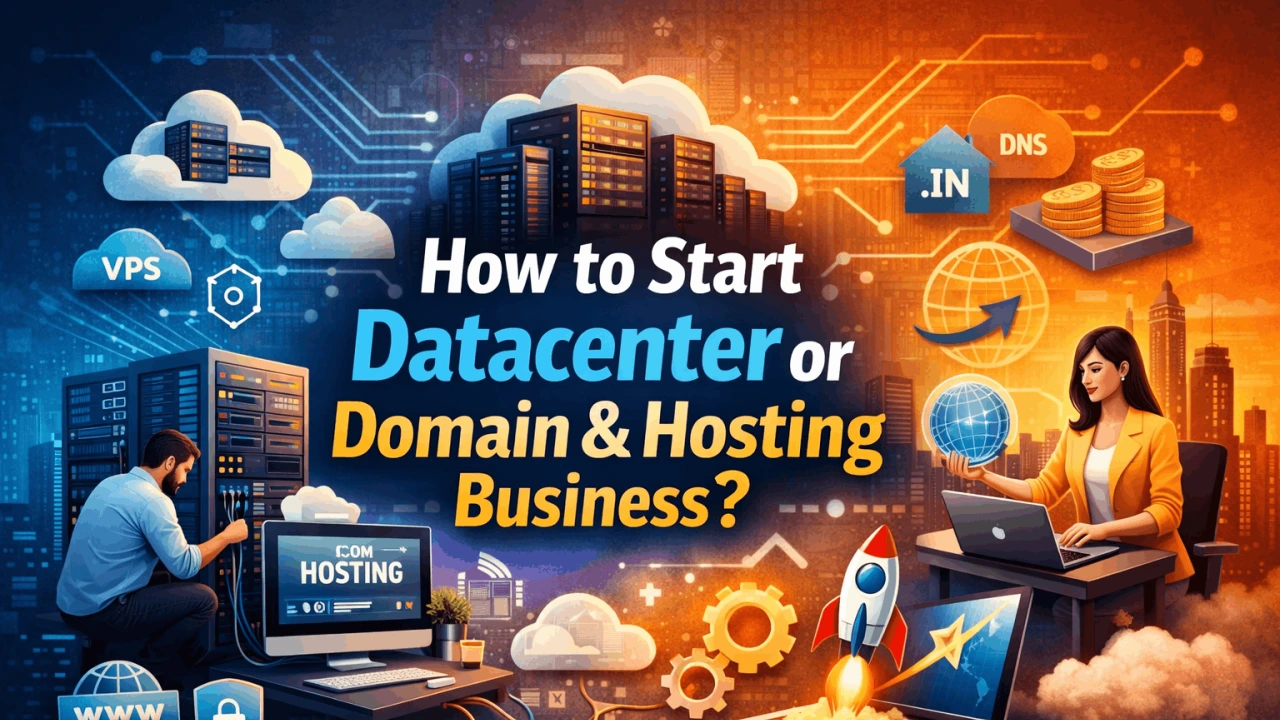
How to start Datacenter or Domain and hosting business
Domain:- the domain is unique name which have to registered by registrar as ICANN. The domain support many extensions like .com, in, .ae, .co.in, .ai, .site, .xyz. for every country there is reserved extension for in for india, .us for usa, .cn for china and many more.
Web hosting:- host the any type of data like website, images, video is known as hosting.
There are many hosting provider as mrcloudhosting, hostingraja, godaddy, hostgator, namecheap, tmdhosting, utho, etc. In marketing there many categories available for hosting as web hosting, wordpress hosting, nodejs hosting, cloud hosting, vps hosting, video hosting, etc. the hosting company make categories in their own way to define the structure of hosting with pricings. The cheap of less price hosting has many limitations some of them it is mentioned and while some not as file and directory limits as inodes. Bandwidths, ffmpeg, email limits, etc
Web hosting:- many companies has this plans in which they categorised based on pricing as gold silver bronze, basic standard enterprise, etc. to purchase web hosting you have to visit the provider website and select the plan as per requirements to host, you have add2cart, checkout with details by making payment you can use the hosting panel with purchased features.
Wordpress hosting:- if you need to host any wordpress website then you choose this plan.The wordpress is less time take to develop the website which helps to make business presence for small organizations. You can also host your local wordpress website to live. Then wordpress website has limitation in terms of scalability. For big companies they prefer coding website so they can make use to handle such large traffic, data sharding, docker, etc.
VPS hosting:- for full access or control of server you can choose vps hosting also known as virtual private server. It has dedicated ip and you can install any operating system as mentioned in the available list like ubuntu, cloudlinux, almalinux, etc. if you need graphical user interface like management of panel as cpanel, aapanel, etc then you have to pay extra for license. If you don’t want extra pricing and you have experienced in cli for linux based you can save money by opting this. You can also see the resource usage of your server by installing package in your website to get realtime analytics. In this hosting you have full control and also you can directly run cron jobs, queue jobs and can setup freepbx as siptrunk, etc
To start this business you need to purchase a domain and you have to purchase the vps hosting you can setup the whmcs for panel management to use the features like emails, remote database, mysql using phpMyAdmin, pgadmin, shh or terminal, jobs, billing information, myql wizard, ftp creation, redirection, git for version control, ssl installation as lets encrypt, etc. To make this installation you have to visit whmcs installation website to begin the installation you have to make cmd as mentioned in the website and follow the instructions. When installed then you have to open the ip in the browser and mention the license key if you have purchased and want regular updates and support from panel company. After that you can configured with yours website so users can purchase the hosting with the desired plan as per their personal or business requirements. For domain booking you can purchase the reseller api as from bv and many other providers are available.
To open the datacenter for your business you will have to invest large amounts of money and we are sharing some basic information or requirements for this:-
Space:- you need to take land on rent if you have owned then it is a plus point.
Lease line:- you have to buy a lease line service with your nearest isp to support non-stop internet service.
Power Backup:- to run all devices the organization need to maintain power backup to restart the services like generator.
Racks:- to maintain the devices you will need racks to setup properly in that.
Server:- as per requirements you will need server with custom ram , storage, cache memory, workers, cpu generation, etc there are many providers for servers in the market are as dell, Lenovo, penguin, intel, etc
Switches:- to connect one server with our server you will need switches to establish the network between two or more servers.
Router:- to make your server live you will need router such as cisco, juniper, etc
Firewall:- If you need an extra security then you have purchase the firewall as cisco, paloalto, Fortinet etc
IP:- you need to host your server to live then you need to buy the public ip form your nearest isp. That ip and ports you have to configured in the router.
Custom panel:- you can also make yours own custom panel like aapanel, cpanel, etc for the management of servers. For this you will need developers who are available to add the new features and provides customers support to the clients.
Engineers:- for this the organization needs networking engineers to maintain the healthy ecosystem, should have troubleshooting skills for every devices. In everyday the new issue will be arises for that you have ability to solve the any issue.
Security:- for security you can install immunify 360 for maintaining files security by detecting malware.
Business expansion:- for business expansion you need sales and marketing teams who will lead and make the sales to grow the business and fulfil the requirements of the clients by providing affordable pricing.
Top companies for Datacenter
Rankbank
Serverwala
Equinix
LiveMNC
Nxtra
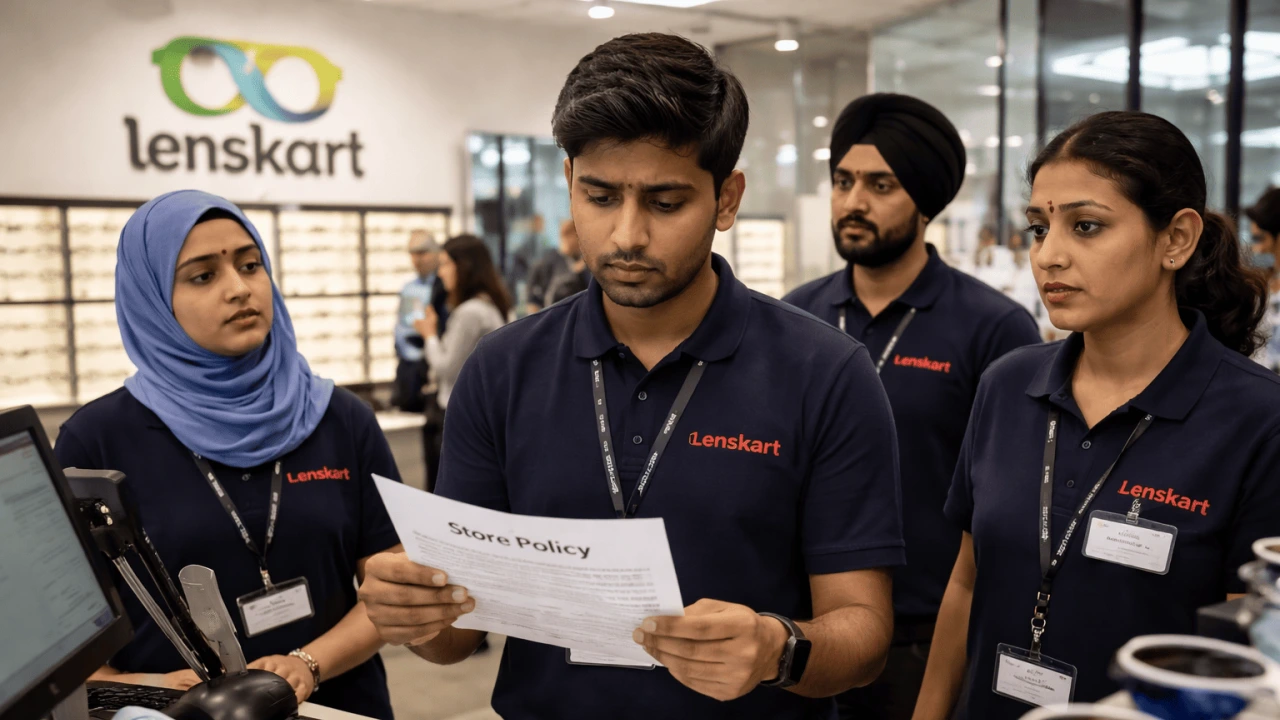
corporate policy controversy India
It has been said that this manual is actually a dress code manual for employees, and it states that it is loud for Muslim women to wear hijab, It is loud for Sikh men to wear turban, But Hindu women should wear bindi. Or it is not loud for Hindu men to wear Kalawa and apply Tilak.
And because of this a huge controversy has arisen on the internet, Bar Bar Piyush Bansal who is the CEO, The lenses were cut and tacked on. And he tried to respond several times But with every response they keep falling into it. So ultimately the question arises that when this controversy is taking place then on what basis is this religious discrimination taking place? Is there any legal provision related to this in India or not? Can this be challenged as per the Constitution or as per any legal provision?
And why again and again these corporates keep getting entangled in the controversies of this sir? If we keep getting trapped in controversy, then today in this video let us know from where it started and how. When this situation turned into a huge controversy, the first tweet that came said in that tweet What was mentioned in that tweet was that Lange Card's dress code policy was reaffirmed as an authentic Polk internal document which got leaked on the internet and it was found out that many Things are allowed only to minority religions but majority Hindu religion
The people of the community who are employees there are not allowed any religious expression. Now see if you look at their manual strictly If we look a little deeper, the things allowed in the manual are the most important. The clear things that are allowed are hijab and the other things that are allowed. If you look at the things that are allowed inside the manual, the most clear thing that is allowed is hijab and the second thing that is allowed is turban, that is, they have told about it to the people of Sikh community, but in this also they have put some restrictions that it can have a black color turban, it can have a black color hijab because it is their brand logo or The brand matches with the color but which is strictly prohibited which is not allowed at all. First Bindi, second Kalava and third Tilak. Not only this, they have imposed restrictions on many other things, many many things, they have been clearly allowed, but they have been restricted a little bit, but they have been restricted, for example, sandur, very small amount, the whole head should not be filled with it, it can be mehendi, but there should be prior approval for this, and ten more. That mahandi should remain the maximum till the day, after that religious threads only one day after the puja.
You can wear them only one day after puja And you can't wear them the rest of the time So this somehow shows that there is a kind of discrimination. Where this is not allowed to people of majority community This is not allowed to people of Hindu community. But the people of Muslim community and the people of Sikh community Those who are minorities are allowed So why does this controversy start? Do these corporates do this deliberately Or these corporates ignore this and make them My name is Mangal Singh, I teach anthropology.
and this is my telegram channel, this is my instagram handle you can subscribe to these I teach anthropology, these are some of the toppers that I have mentored and guided with anthropology and other subjects also I am starting my batch, so join the batch using the code MSCLive to get best of the discounts which if toppers data mentor in guide with antropology and other questions also and starting batch so join the batch using the code to get best of the discounts to join this batch.
You can use this code and avail the best discounts. Now you have already heard it. It must be that there is a controversy going on in Nashik where people were being forcefully converted to Islam. Investigation is going on on this. NAA has also taken cognizance of this and it is being looked at from many angles and due to this, a very heated palace has been built inside Nashik and the whole country is discussing about why this is happening, so after all this lens cart controversy is the reason for this. What is the response to Lenskart on social media? Some people have said that this is the hypocrisy of Lenskart and through this it is not religious discrimination.
And he said that this lens actually shows a hypocrisy of the cart which is completely The Hindu minority strictly bans religious expression, but it Muslims or Sikhs were not allowed to have any religious expression, but they denied that the present guidelines may not be old or may be outdated, then they said that the policy is no restriction on any form of religious expression including bindi and tilak outdated.
Versions do not represent you, theirs is their outdated version, this is our version, they did not say that it is not ours, they denied this to Tripread, they only said that it does not reflect their point of view of today, so when they did this, then the readers gave a context on top of that. Added
it on X i.e. on Twitter He said that the league lens card guide is actively branded and dated February 2, 2026 That means it's only two months old And this actually internally dress code is still being used To implement this reader The controversy deepened due to the context that the Internet sets on your Twitter, then later he again gave a clarification and he told that there is no restriction here and finally he admitted that yes it contained an incorrect line. He said that okay, this is a policy of ours and then he said it contained an incorrect line about Bindi and Tilak as founder and CEO the responsibility for such lapses is mine. He said that it is my responsibility and Only regarding Bindi and Tilak, on this on this on this on this on this on this on this on this on this on this on this on this on this on this on this on this on this on this on this on this on this on this on this on this on this on this on this on this on this on this on this on this, when I went to the employees of Lenskart and asked them about all their stores, they have not received any such order yet. The basis of which is whether you have to follow this policy or not, that is, this policy is still running somewhere and if you talk about today, they have not published any updated guidelines because they are afraid that maybe it will cause controversy, so now the biggest question that arises is that so much controversy has been created which has become a storm on social media, are there legal provisions on it. Now the biggest problem in the legal provisions is whether the constitution is based on religion. But the constitution prevents discrimination but the problem is that discrimination on the basis of religion is allowed only in public departments.
Or it stops the state run things only and does not intrude into the private sector regarding this. right so can this policy be challenged in the court short answer is barely it is very difficult that We can challenge this policy in the court of law because if you three or four see provisions see legal provisions see industrial provisions that if you see 3-4 provisions, see legal provisions, see industrial provisions, And if we look at the constitutional provisions, So whatever is within the constitutional provisions,
He applies only to the government and not to the to private employers, Whatever the government or government related things apply to them, If you see section 153B of IPC, Which is an outrageous and religious group, So in this, deliberate intent has to be proved again and again, That was the deliberate intention of this company, That he deliberately wanted to hurt the religious sentiment, he has to prove that there was a deliberate intention of the company that he deliberately wanted to hurt the religious sentiment, he will have to prove it and in the name of negligence or ignorance, perhaps they can settle with this thing and the Industrial Disputes Act is already a little old and there is an indirect remedy in it, but that too is a remedy against non-meritorious staff, that is, it is a constitutional fundamental right under Article 14. There are 15, 16 but where does all this apply on the public sector and not on the private sector and when does the private sector belong to the public sector and not on the private sector?
If it survives somewhere, then you see, some people say that why such a mistake happens, then these are the four manwars. There are four policies, each of four people, you must have heard that he is infamous for his work, and one of four, which There is a policy, in these policies it is said that these people copy and paste the user manuals of that country or the user manuals of western countries. It is said that these people copy and paste the user manuals of that country or the user manuals of western countries and they become the policy of this place.
Let's make it and start using the context of western countries if you See if you have copied these policies from UK or America. So generally which suits you or which gives you professional clothes which It is said in India that those clothes are actually European style clothes. That means suit, tie or you need shirt and pant or proper which These are professional dresses, these are actually western styled which their Also aligns with Christian ideas, But the majority community inside India is not Christian,
Which we have assumed is our professional dress, That is actually the professional dress of the Christian community, Which we have related to the majority, And there to accommodate the minority, And to accommodate diversity, These people keep some special provisions, For some communities, So it can either be that the majority of the things Provisions Provisions Provisions Provisions Provisions Provisions Provizion It is being lauved to express, so look at the copy given to them and after passing the copy to them, what they did directly was to tell Hindus this.
Gave that you have to wear professional dress and western style which the Muslim community refused to wear. Now what is the problem with this? On one hand, you have hurt the sentiments of the majority community and in the name of this inclusion, you have applied a kind of dual policy. You said you don't have professionalism If you expressed things Hindu style That Bindi you expressed that you Did you apply bigger vermillion or did you wear tilak? or did you wear kalava So this is against professionalism
But this in the name of diversity and inclusion That means you have used dual policy. which is actually not acceptable in any case, right So the problem is that even if it was deliberate, it is still problematic. Or you did a lazy copy-paste, you just went and copy-pasted the western style policy, And even though you have made this policy, there is still a slightly problematic thing.
And because of this, a lot of problems can occur. Now see what is there in other countries? The legal jurisprudence in other countries has evolved a lot. If you look at the US and the UK, the legal jurisprudence there is very limited in many respects. If you look at the US and the UK, there are a number of laws that govern the private sector on the basis that they do not discriminate. So for example, the title within the US is the Civil Rights Act Ninety Six Four and within that it applies to private employers. and it mandates religious accommodation and reasonable accommodation.

startup investment tips
If you are running a startup and want to raise funding for your startup, then these videos are exactly for you. Friends, money is a very important thing to run a startup. Yes, market is important, team is important, how you will launch that product is important, but for all those things money is important, team is important, how you will launch that product is important, but money is important for all those things.
And there are many people who are not able to understand this entire process of fundraising properly, are not able to execute it properly, then this video is exactly for you. Four things that I will discuss in this video. First, when investors invest in a startup, why do they do it? It is not that they have some love for us or our startup, they are investing in our startup for a very valid reason and that is very important to know. Second, when investors invest, what are the things they keep an eye on? What are the things they want to know about you about the startup?
Third, if you want to race your friend, then what are the things that you have to prepare? And how to reach investors in fact a little broader question that if you want to If you want to race for money then what are the types of investors whom you can approach? Let's start with the first question. Why do investors invest in startups? It is important to know because on this basis you will give this answer.
Whether you should even raise funds or not. In my Startup Guide course, I devote an entire section to this. Where I say please there is no fund raising for everyone. Because one day you are standing up and doing your startup, This does not mean that you should fundraise, because when you fundraise, you are making a very Maybe, expensive, but definitely giving an emotionally engaging promise to someone, and that is your investors.
Someone has it and that is your investors. Investors do not invest their own money. Most of the institutional investors raise money from someone else. These could be large pension funds, These could be large government funds, these could be large university funds and when they raise money from them, they give them a return guarantee.
They say that whatever money we are taking from you We give you a minimum will return which is called the hurdle rate required It's not what it is, it's not what it is, it's just I am speaking for general knowledge but it is important to recognize that these investors Does this happen to anyone else too? Have made a return promise So this means that their entire focus is on your startup. They have also promised a return to someone else, so it means that their entire focus is on your startup so that your startup grows and due to this, the value of those who have invested money also grows.
let me give you an example Suppose your startup is in its initial days and you have raised money from some investors. It's the day and you raised money from an investor for your startup. 10 long rupees were valued at If he inserted 1 long rupee This means that they bought 10% shares 90% you have it has 10% now you fought work hard And in one year, in two years, in three years your company is very good Now at that point, in one year, two years, three years, your company has grown quite well.
Now at that point you want to raise a new round. So when a new investor comes, he says, well done, what a wonderful startup you have created, what good growth it has shown. I am very happy, I will give a valuation of 10 million dollars to your startup. What is the basis of valuation, we will know further.
I will give the valuation of million dollars. What is the basis of valuation, they will know further. Now let's say on that point, take this million dollars and 10% of your company's share is mine. I was the first investor who had invested only 1 lakh rupees in your company. For 10%, the value of that 10% has been calculated to be approximately 1 million dollars, 10% of 10 million.
Which means his investment of Rs 1 lakh has now become worth around Rs 1.5 crore. And that is what they are betting. But when he had invested the money, it was a very risky asset. It was not necessary that he would earn one million dollars from that one lakh rupees and this ten lakh startup. In fact, 90% of startups now fail even after funding or are unable to reach the stage where investors thought they would reach, and perhaps they will be forced to startup, or perhaps they will be forced to startup, or perhaps they will be forced to startup, or perhaps they will be forced to startup, or perhaps they will be forced to startup.
You will be replaced and someone will take your place, Or it may happen that they will try to bring in some other investor. on terms which are not favorable to you, Whatever happens, which does not go as per plan, could be something that harms you personally and maybe also your startup. So this is very important friends, Understanding that fundraising does not mean that the money will come forward and you will party and open your own startup.
This means that you make a promise to someone professionally and emotionally. Are you sure that your startup will be successful, and yes, every single person This is what is wanted, but it is not necessary that this happens with every startup, And when it doesn't, things get a little tricky. Now, if an investor wants to invest in your startup and is not there then things become a bit difficult.
Now if an investor wants to invest in your startup, then the second question is that what will they look for due to which their interest will peak and they are investing because they want your startup to grow and because of that, the money they have invested and the ownership they have in their company will increase in its value.
And because of that money, the ownership they have in their company will increase its value. Now that means what they are looking for is, what are those things? Due to which their confidence in one way or the probability of one way increases. That this startup will grow and here are a few things number one the market and the market size In which market is your startup and what is the opportunity or size of that market? It is mostly identified by something called TAM or total addressable market. It is important to know and understand this
Because it may happen that you make a mistake in its determination. I'll give you an example. Nearby, my startup which I started in 2015, works with local commerce players. Restaurants, Spas, Salons, Malls, Entertainment Hotspots etc. So initially we thought what was our total addressable market size. The size of the restaurant industry, the size of the spa industry, the size of the salon industry, the size of the retail industry, adding all these together is the total addressable market for nearby.
And that's a very big market, right? But as we built that startup, made a lot of mistakes, then we realized that our The total addressable market is not the size of all these industries, but the expenditure on marketing and sales in all these industries is only that much because Ultimately Nearby is helping that restaurant, spa and salon in sales and marketing, not in the entire business.
So what we realize was 5% is what is usually spent on sales and marketing. That total addressable market is 100, He is no longer 100, he is only 5. So our market, With a ratio of 20, Cut off. And that, is an important realization. Number 2, What is the problem in this market? What you are solving, What a big problem it is, And your solution, how good it is or how effective it is.
Now that is basically the core of the business, whatever problem you are experiencing in that industry, your solution, how elegantly your product solves it. How is this known? It is a combination of which technology you have used, If you have released a product early, So what is the feedback from the market or consumer? Or have you come up with a new innovative solution that was never thought of before? Or it may not have been thought at this level, combination thereof.
And then, third thing, the team. And frankly, at such an early point, when the risk is so high, the startup is so new, more often than not, the funding is raised on this third point. that who are you? What have you done in life? Which war do you live through? I have been living this life since, usually I have seen that the founders who are able to raise money and raise money, they are in a way enterprising right from the get go, yes this might be their first startup, maybe second too, but in life they
Many such things are done, which are always giving a probability of hinting that whatever person she is, she works differently, she thinks very differently, always has a very different approach towards life, if there is any problem, she always thinks very differently towards life, if there is any problem.
Having a Vision Is Very Different and That's What Sets Per Apart That's Why Investors Laugh to Focus on Founding Who is the team? How are the founders? How are the employees? And fourthly, if there is traction in the startup? If you have launched the product orally or have initially launched some new alpha betas either for internal employees or for a limited set of users outside, then what is the response? What is his feedback? What are its early signs? No.
This should not be for revenue. It can be anything, how is the growth in users, how many people are using it daily, weekly, monthly, how many diseases are coming back, age retention, so on and so forth. If all these things are important, then the third rider, which is, if you are going to an investor, then what should be your pitch toolkit? 3 specific things for this. First of all, a business plan.
Second a business strategy a pitch deck let's talk about everything The first is a business plan that is the financial plan of your startup. This means your projected revenues, your projected costs and accordingly your projected profit, your loss. Typically for the next 5 years. Quarterly plan for the next 1 year and then annual plan for the next 4 years.
This is something which is minimum expected from you as part of a business plan. It is very important that your basis for revenue and expenditure is solid. So if the good investors do not focus mostly on your numbers, Do it based on your assumptions.
What have you assumed? that you have assumed that you Will you bring customers for free? That you have assumed that customers will come for this much money, that you have assumed that the payroll cost of engineers will be this much, that of sales and marketing will be this much, that you have assumed that you will be in so many markets, or will be in so many markets, all of those assumptions are basically the basis for you to build that model, so that is why it is a very deeply detailed excel sheet, and there is no escaping it, you have to create it.
I have shared one or two templates on the description, Which are globally recognized, you can start using that. Second, business strategy. Now under a business plan it came to light that, What is the financials of the company? But business strategy is a far bigger document. Because it contains everything that surrounds your business, not just financials.
How big is the market? What are the problems of that market? How are you addressing that problem? Why is this solution innovative or competitive? Who are your competitors? What will be your go to market strategy? What does it mean? How do you launch? Why is this solution innovative or competitive? Who are your competitors? What is your go to market? What will be the market strategy, it means how will you launch, how will you get the first customers? How will you bring them, how will you retain them, how will you engage them, how will your team stand, how will that team
Everything that is needed for someone to understand how your business will be executed will be distributed. How to execute: This tool is a word document and is written in text. Sentence is written, there are many templates for this also I shared a pitch with you about those templates in the description.
Tech Pitch Understand Tech is a PowerPoint presentation that is a summary of all these things There are five things involved in this. Number one is which market are you addressing and what is the opportunity of that market. Second, what is the problem within that market and how are you solving it? Third, why will your solution work? Why do you think that this is a solution that can meet all the others? Fourth, what are your projections, where can you take this business, how big can you make it, and fifth, about your team.
These five fundamental points must be present in every pitch deck, there can be more than this, but this pitch deck does not have to be made of 50-100 slides. Maximum 20 slides, ideally 10-12 slides, very concise, very sharp. I have also linked the templates of Pitch deck in the description. You can use them.
Now comes the fourth and most important question, From whom can you raise funding for this startup? So first of all the easy one and the one that I would recommend friends and family Your friends which needn't be your friends it could be if you work, your ex colleagues, your ex bosses, I know so many people, who did good work, earned so much experience, reputation at one point that there are people who are willing to back you up, wonderful friend, I loved working with you and whenever you start anything new in life, please tell me, I would love to partner with you, such people, your family, it could be anyone, it could be your parents, it could be people who believe in you. The money that comes from friends and family network initially comes only because you are you.
Frankly they don't even care what business you are doing because it can go anywhere. But you are you and that's you. That subscribe and subscribe and subscribe and subscribe and subscribe and the network that Y Combinator has, the mentor network, is so strong that you want a lot of experience, not just money, typically to reach them.
References are needed, cold emailing works, and there is no reason why you should not try it, I can guarantee you, every one Investors read every single email. but the reason why they don't reply is because the emails are not exciting enough, they are not well written, that's why cold email if you want to do it in a very well researched manner I will have to, I have made many videos, all cold emailing, please read it seeing one Will take a new shot, and try and create references, those references Getting tired of your school network,
Can be from your work network, May be from your college network, or other founders that you know of, who have raised from them, whatever it is, if there is someone who can say, I know it, And that's why you should meet them, nothing replaces that. And finally, not my preferred route, but if nothing happens, then H&Is or high net worth individuals.
Preferred route is not because these are not formal professional investors. So it tends to happen that these H&Is, They have a lot of money, But that is not the experience of how to manage or deal with an investment. So that very quickly, very much become possessive, a lot becomes over indulgence, Become very governing, Ask me about everything, Tell me, show me, it happens, ask me about everything, tell me, show me, it happens, And then that doesn't make for a really good investor relationship. So these are the ways, these are the kind of people
that you can reach to, I recognize it is not easy, but I can tell you that there isn't any other way, it is not that You can go anywhere and collect money from anyone, just because you have started it, o forgot one thing, Angel Networks, Angel Networks also very exciting, they have come up in the last 10 odd years, but a lot of recent ones popularity is big, there are lots of Angel Networks, which bring all these HNI's together, But let's make it a formal process, so a good example is the Indian Angel Network or the IAN, and if we make a formal process then a good example is the Indian Angel Network or the IAN
And there are so many more Mumbai is Angels, Chennai is Angels, Hyderabad is Angels. This is not if you are a Mumbai startup So just have to pick it up from Mumbai Angels you can pick up anywhere these are just groups of people who have come together But there are many Angel Networks that you can tap into as well so they work with HNIs but they remove all the limitations that an H&I will bring with them.
So to get funds for startup than connect with our support team to get feature to grow yours business.
Trends that Transforms Nation:- Exclusive news coverage 24*7 With Bindass Bol Dil Se. Follow us and get updated in runtime with our networks.